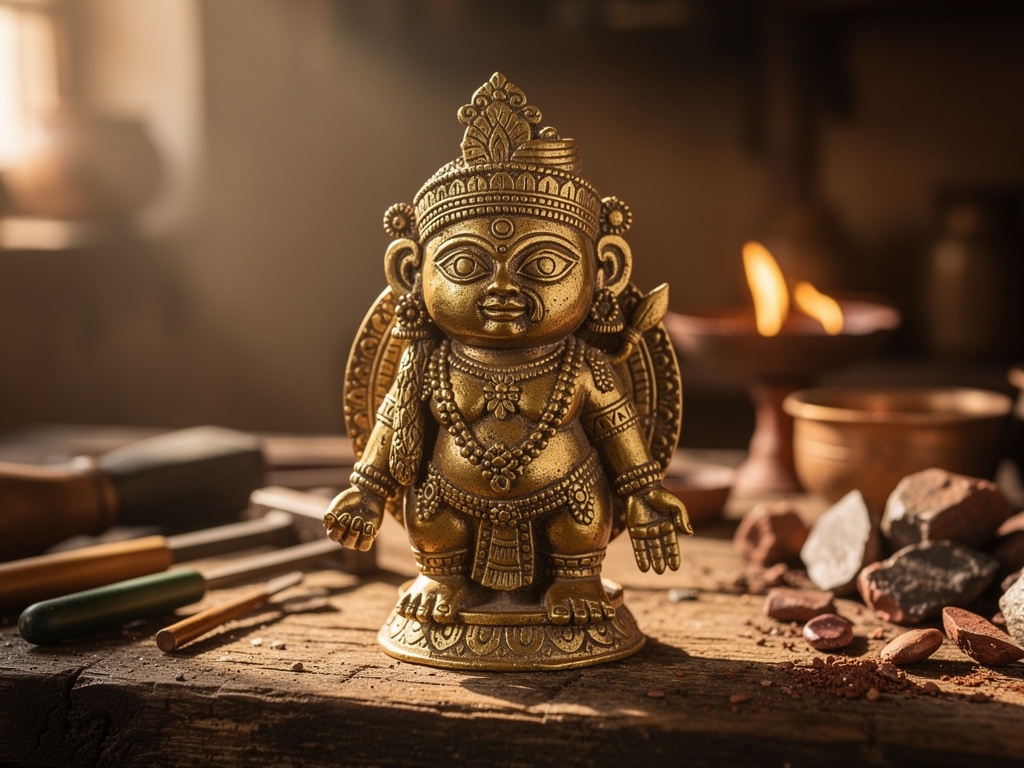
Dokra metalwork
A 4,000-year-old lost-wax casting technique: bronze and brass figurines of tribal deities, peacocks, dancers and horses. Visit artisan households around Khiching and Rairangpur. Buy directly to support the craft.
More than half the district is tribal. Their art, dance, music and craft form Mayurbhanj’s living legacy — alongside the royal Bhanja temples and the Chhau dance stage.
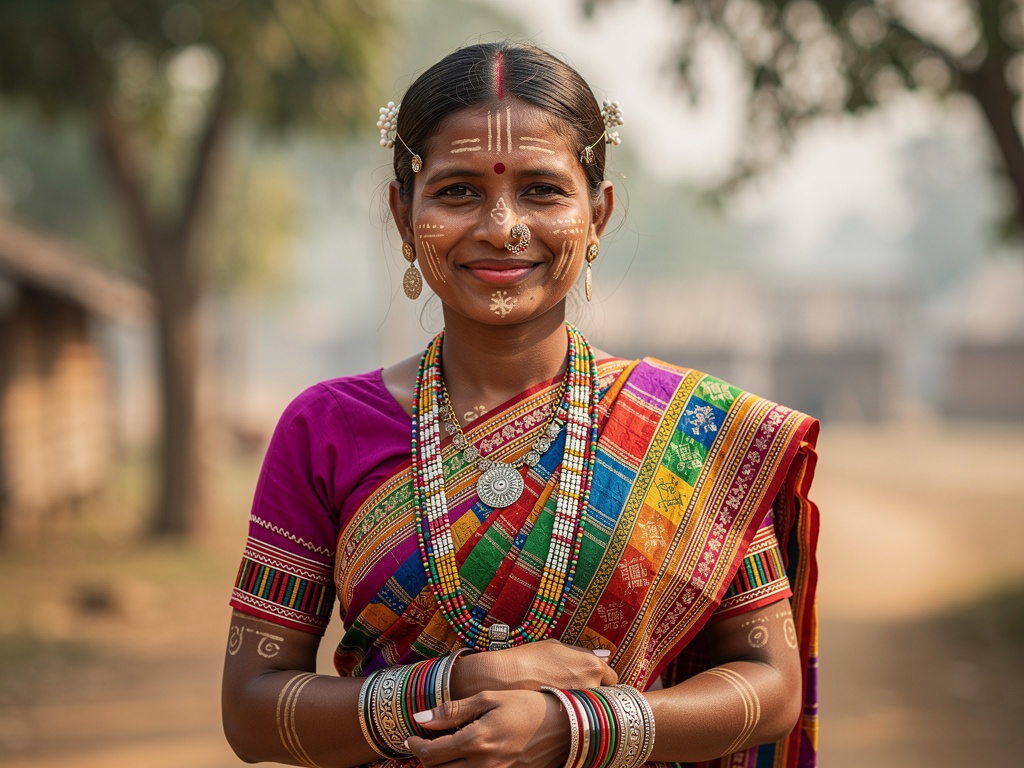
Mayurbhanj has one of the highest Scheduled Tribe populations in India. The dominant communities are the Santhal, Ho, Bhumij, Khadia, Munda and Lodha. While their languages and rituals differ, there are common threads — deep reverence for forests, for the Mahua flower, for cattle and harvest.
Santhal music, in particular, has crossed borders — the Dong and Singi rhythms echo in villages across eastern India. Ho rituals and wedding traditions are equally rich. Respectful travel makes these communities some of the warmest hosts you’ll find in India.
The Mayurbhanj Chhau is arguably the district’s most celebrated export. Performed without masks, the dancer’s face becomes the stage, while the footwork, body posture and choreographed martial movements tell stories from the Mahabharata, the Ramayana and tribal mythology.
A 4,000-year-old lost-wax casting technique: bronze and brass figurines of tribal deities, peacocks, dancers and horses. Visit artisan households around Khiching and Rairangpur. Buy directly to support the craft.
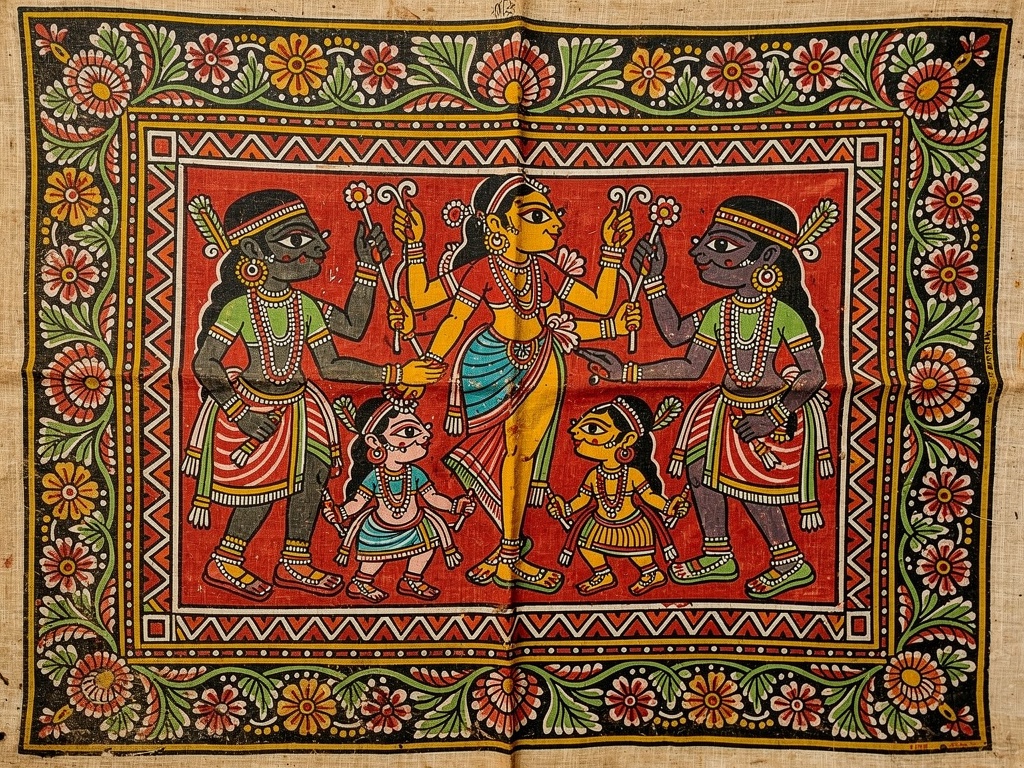
While Odisha’s Pattachitra is celebrated along the coastal districts, Mayurbhanj has its own folk-art traditions — bold, geometric tribal patterns used in fabric art, ritual painting and wall decorations.
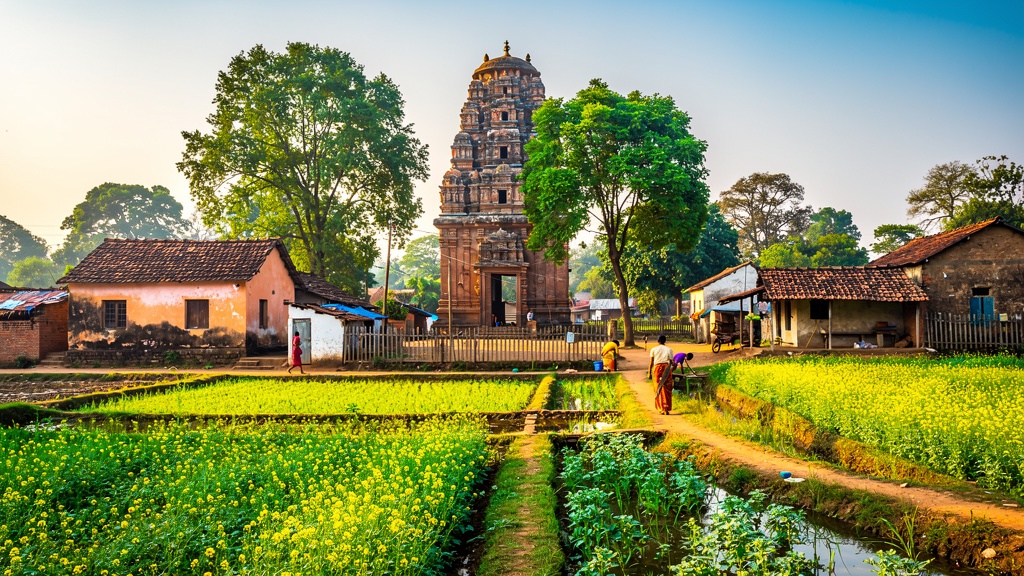
Terracotta figures from Khiching artisan families and palm-leaf engravings (tala patra) from Santhal villages are small, portable, and meaningful souvenirs — speak to the artisan, share a meal if invited.
| Festival | When | Where | What you’ll see |
|---|---|---|---|
| Chaitra Parab | March–April (Chaitra Purnima) | Baripada & district akhadas | The grand Chhau dance nights — dozens of troupes, all-night performances. |
| Baripada Rath Yatra | June–July (Ashadha Shukla) | Baripada | The second-greatest chariot procession in India — lakhs of devotees, wooden chariots. |
| Karma | August–September | Santhal & Ho villages | Worship of the Karam tree, dance through the night to tribal drum rhythms. |
| Tusu / Makar Parab | January · January harvest | District-wide | Tusu goddess effigies, gatherings, songs — the high point of tribal winter. |
| Magh Parab / Sarhul | January · spring start | Tribal villages | Welcoming spring with offerings of flowers, rice beer and Mahua. |
| Sohrai | Diwali week | Santhal villages | Wall murals painted on cattle sheds — vibrant bull images, the goddess of cattle. |
| Durga Puja & Kali Puja | October | Across the district | The biggest urban festival of Baripada city. |
The Bhanja royal family ruled Mayurbhanj for over a millennium (9th–18th century CE). Their legacy is most visible in the Kichakeswari Temple, Khiching — striking black-chlorite stonework from the 9th-10th century, considered one of the finest rare-stone temples of Odisha.
The Maharajas of the colonial & post-colonial periods added to a parallel cultural legacy — most notably the patronage of Mayurbhanj Chhau, the founding of modern-day Baripada’s town layout, and the establishment of schools and tribal welfare institutions.
Where to go deeper